
Responsible gambling is easier when practical controls are chosen before a session begins. For anyone researching the sweet bonanza slot, the important question is not only how the game works, but how to keep spending, time and attention within personal limits. The game itself does not manage deposits, withdrawals or account restrictions; those functions belong to the casino hosting it. Canadian players should therefore examine the operator’s available controls before using real money.
Decide what a manageable session looks like
A useful plan starts with two separate limits: money and time. A spending limit defines the maximum amount that can be lost during a chosen period, while a time limit prevents a session from continuing simply because the balance remains active. Both should be decided before opening the game, rather than adjusted in response to wins, losses or excitement.
Use only money that has already been assigned to entertainment. Essential expenses, debt payments, savings and household commitments should not be treated as a gambling budget. A simple written figure can help: for example, decide the maximum weekly entertainment amount, then reserve only a smaller portion for casino play. Once that amount is used, the session is finished, even if another game or feature appears attractive.
It is also sensible to define a stopping point for a positive result. A win can create the impression that continuing is cost-free, but the balance remains exposed while play continues. Decide in advance whether a particular profit, session length or number of spins will end the activity. This approach does not improve the odds; it simply makes the decision less dependent on changing emotions.
Which operator controls are worth checking first?
Responsible-gambling tools are usually attached to the casino account, not to the individual slot. Before depositing, look for a responsible-gambling or player-protection area in the operator’s website. The available controls may include deposit limits, loss limits, wagering limits, session reminders, reality checks, cooling-off periods and self-exclusion. Names and settings can differ, so read the description of each tool carefully.
A deposit limit restricts how much can be added during a defined period, but it may not be the same as a loss limit. A player could deposit funds, win temporarily and then lose the balance later. Session reminders address time rather than money, while reality checks provide prompts showing how long a player has been active. These tools work best when selected before play and set at amounts that are genuinely affordable.
Do not assume that a control applies instantly or across every account. Some operators may apply limits after a delay, while a self-exclusion request can have broader consequences than a short break. Check whether settings cover all games, whether they can be reduced immediately, and how increases are handled. If the casino’s wording is unclear, contact support before making a deposit rather than relying on assumptions.
How can the game interface support a safer routine?
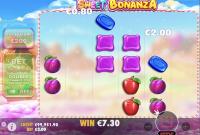
The game interface may show the stake, available balance, game history and information about the loaded version. Checking these details before playing can reduce confusion, especially when the operator offers more than one stake denomination or configuration. The information screen should be treated as the relevant source for the displayed rules and RTP, rather than relying on general descriptions found elsewhere.
Autoplay deserves particular care. Where available, it can continue spins without a separate manual action each time, and some implementations offer stop conditions involving a win, a feature, a balance change or a selected result. These settings can make a pre-planned session easier to follow, but they can also allow play to continue while attention is elsewhere. Never use autoplay as a substitute for a time or spending limit.
Game history can help with record-keeping, but it should not be used to search for a pattern or predict the next result. Each spin and tumble outcome is uncertain; previous losses do not make a win “due”. Review the history only to understand what has happened during the session. If the record causes frustration, encourages chasing or leads to repeated stake increases, end the session instead.
Why do payment choices matter to spending control?
The payment method used at a casino can influence how clearly spending is visible. A method that provides a familiar transaction record may make it easier to compare deposits with the original budget. Before choosing one, check the operator’s stated fees, processing conditions, minimums, withdrawal rules and verification requirements. These details belong to the casino, not to the game.
Do not treat a fast deposit method as permission to replenish a depleted balance. If a session reaches its planned loss limit, adding funds changes the limit rather than solving the problem. Removing saved payment details, keeping a separate entertainment account or avoiding credit-based funding may create useful friction. Any approach should be consistent with the operator’s terms and with the player’s own financial situation.
Promotional funds require extra caution because they can have expiry dates, wagering conditions, maximum-bet rules and restrictions on withdrawals. A bonus may make the balance look larger without making the money freely withdrawable. Read the promotion terms before accepting it, and decline an offer if its conditions would encourage more play than planned. For broader Canadian guidance on gambling-related choices, consult responsible gambling information from the Responsible Gambling Council.
When should a break become a stronger intervention?
A short break is appropriate when play is taking more time or money than intended, or when gambling is interfering with sleep, work, relationships or other responsibilities. A cooling-off setting can create distance from the immediate urge to continue. During the break, avoid replacing one gambling account with another, since that defeats the purpose of the pause.
Warning signs include chasing losses, hiding transactions, borrowing to gamble, repeatedly exceeding limits, feeling unable to stop, or gambling mainly to escape stress. None of these signs proves a diagnosis, but each deserves attention. A practical response is to stop playing, secure access to funds, tell a trusted person and contact a qualified support service in the relevant province.
Self-exclusion is a stronger account-level measure for someone who wants gambling access removed for a defined period or longer. Read the operator’s terms to understand the duration, affected products and reinstatement process. If controls are repeatedly bypassed, the issue is no longer about finding a better setting; it is a reason to seek personal support and put financial safeguards around future access.
Questions Canadian players often ask
Does the slot itself offer deposit or loss limits?
No. Deposit limits, loss limits, cooling-off periods and self-exclusion are normally provided by the casino hosting the game. The slot interface may display stake, balance or history information, but those displays do not replace account-level controls. Check the operator’s responsible-gambling section for the exact settings, timing and scope.
Can autoplay prevent overspending?
No. Autoplay may offer stop conditions, but it does not guarantee that a spending limit will be respected and it can reduce active attention. Set the casino’s account controls first, choose a modest session budget, and avoid autoplay if monitoring the balance or time becomes difficult.
What should someone do after exceeding a limit?
Stop the session rather than depositing again to recover the loss. Record what happened, remove convenient payment access if appropriate, and activate a cooling-off period or self-exclusion through the operator. If stopping feels difficult or the behaviour is causing harm, speak with a trusted person or a qualified support service.